Why Some Wines Improve with Age – and Others Are Best Enjoyed Young

Why Some Wines Improve with Age – and Others Are Best Enjoyed Young
Few myths are as persistent as the idea that all wine gets better with age. The truth is far more nuanced. While some bottles evolve beautifully over decades, others lose their freshness and charm if kept too long. What determines whether a wine has the potential to age gracefully—and why are so many wines actually best enjoyed while they’re still young and vibrant?
What Happens as Wine Ages?
When wine is stored over time, a series of slow chemical reactions change its flavor, aroma, and color. Tannins—the compounds from grape skins, seeds, and oak barrels—soften, acidity mellows, and fruit flavors develop into more complex notes. A young wine might taste of bright berries and flowers, while a mature one can reveal hints of leather, tobacco, nuts, or dried fruit.
But this transformation only works if the wine has the right balance. Without enough acidity, tannin, or alcohol to support aging, a wine will simply lose its freshness and become dull. That’s why only a small fraction of the world’s wines truly improve with time.
Wines That Reward Patience
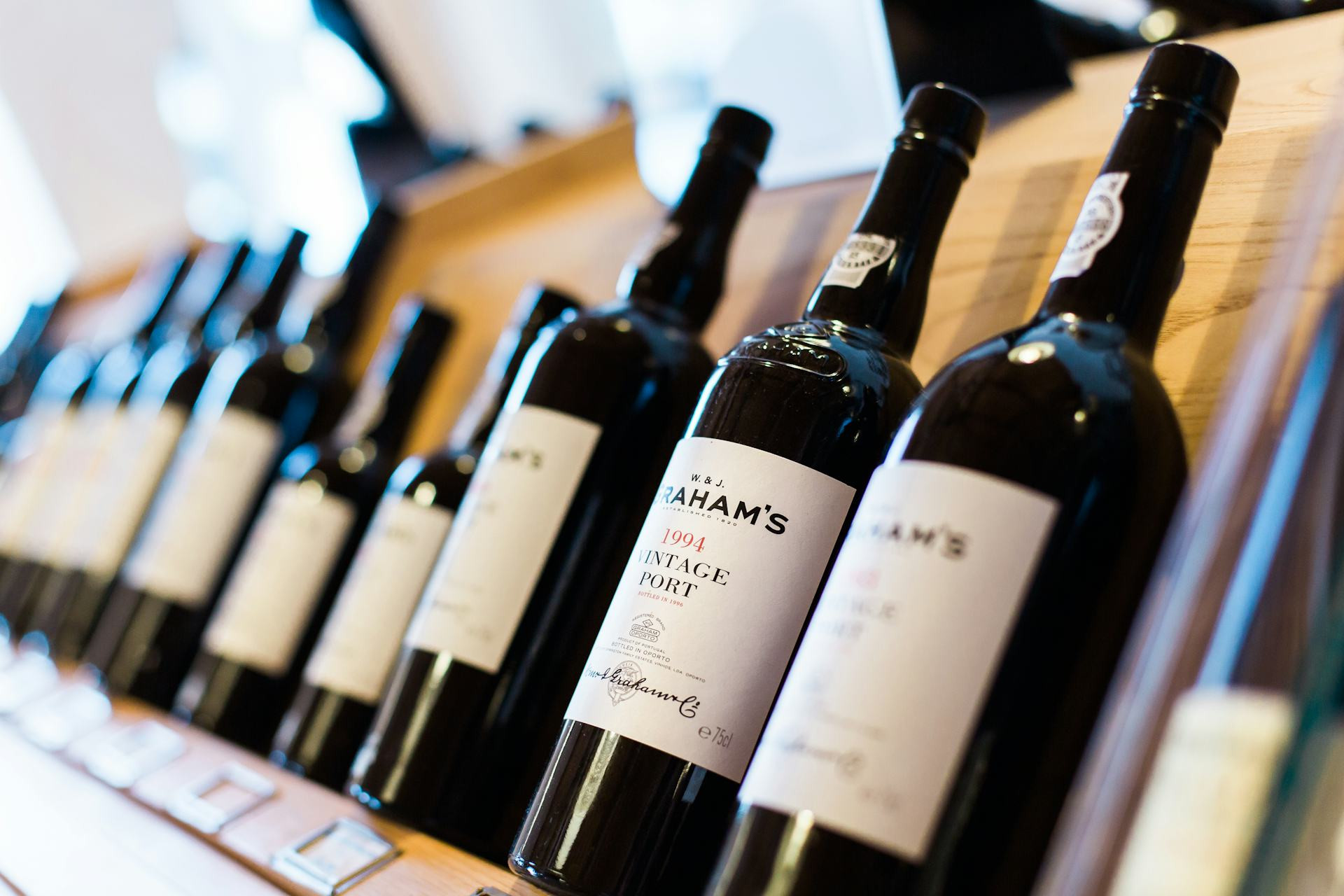
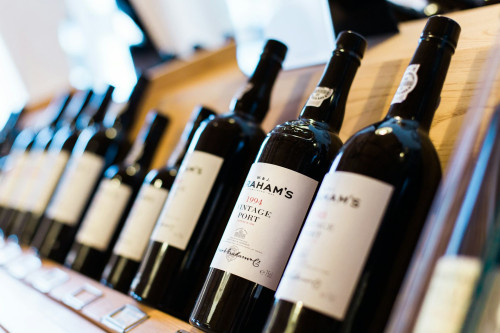
Wines with high acidity and firm tannins are the best candidates for aging. Classic reds like Bordeaux, Barolo, and Rioja are built to evolve, their structure allowing layers of flavor to unfold over years. Certain white wines—such as Riesling, Chenin Blanc, and white Burgundy—also age beautifully, thanks to their naturally high acidity, which acts as a preservative.
Sweet wines like Sauternes or German Auslese have another advantage: sugar. The high sugar content protects against oxidation and gives these wines remarkable longevity. A bottle that seems tight and reserved in its youth can, after a decade or more, open up with depth, richness, and elegance.
Wines Meant to Be Enjoyed Young
The vast majority of wines, however, are made to be enjoyed within a few years of release. Light, fruit-forward wines such as Beaujolais, rosé, and many modern white wines are prized for their freshness—the crisp acidity, lively fruit aromas, and easy drinkability.
If these wines are stored too long, they quickly lose their charm. The fruit fades, the color dulls, and the aromas flatten or even turn unpleasant. For these styles, it’s best to drink them while they’re still full of energy and life.
The Importance of Storage
Even the finest wine can be ruined by poor storage. Light, heat, and fluctuating temperatures accelerate aging and can give wine a cooked or oxidized taste. Ideally, wine should be stored in a dark place, on its side, at a consistent temperature around 55°F.
For bottles meant to age for many years, humidity also matters—it keeps corks from drying out. But for everyday wines, it’s usually enough to avoid direct sunlight and major temperature swings. That will keep them fresh until you’re ready to open them.
Læs også:
How to Tell if a Wine Can Age
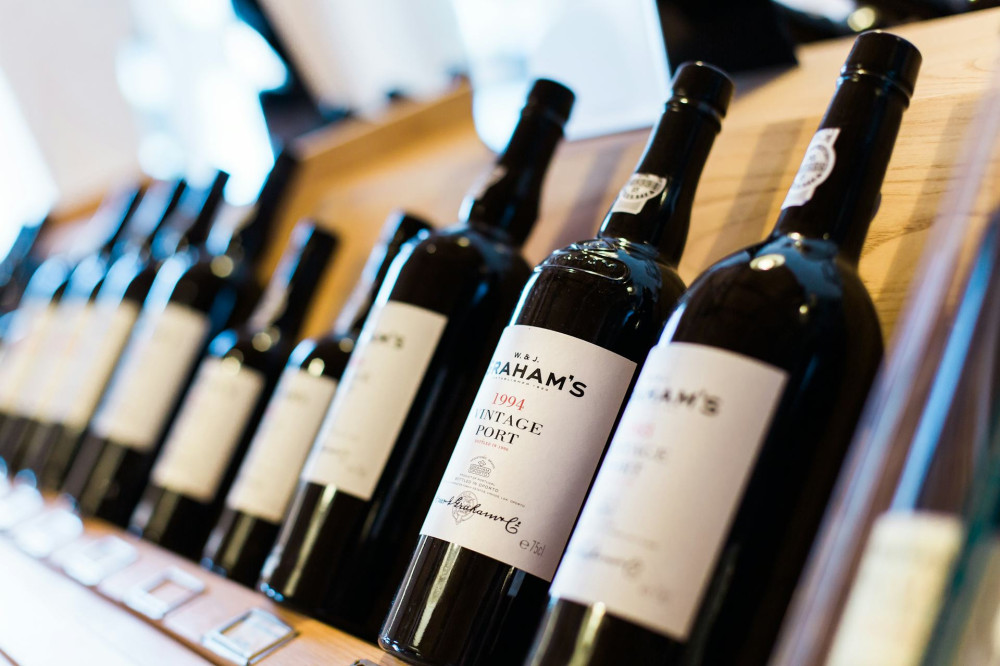
A good rule of thumb is to look at the wine’s structure. Does it have noticeable acidity, firm tannins, and concentrated flavor? If so, it may have aging potential. The producer’s reputation and the wine’s region can also offer clues—classic areas like Bordeaux, Piedmont, and Burgundy are known for wines that develop beautifully over time.
Ultimately, though, it comes down to personal taste. Some people prefer the bright, youthful fruit of a young wine, while others love the complex, earthy aromas that only come with age. There’s no right or wrong way to enjoy wine—just different expressions of the same art.
Enjoying Wine at Its Peak
Finding the perfect moment to open a bottle is an art in itself. For some wines, that moment comes within months; for others, it may take decades. The key is understanding that wine doesn’t necessarily get “better” with age—it simply changes.
So next time you’re holding a bottle, ask yourself: Is this a wine to savor for its freshness, or one that deserves patience? The answer could be the difference between a good experience and an unforgettable one.
Læs også: