Sustainable Wine Production: How Wine-Producing Countries Promote Green Solutions Through Innovation

Sustainable Wine Production: How Wine-Producing Countries Promote Green Solutions Through Innovation
For centuries, winemaking has been deeply tied to nature — to soil, climate, and craftsmanship. But as climate change reshapes growing conditions across the globe, the wine industry faces an urgent need to adapt. From solar-powered wineries to regenerative farming and water recycling, wine-producing countries are increasingly turning to innovation to make their production more sustainable.
Climate Challenges Reshaping the Wine Industry
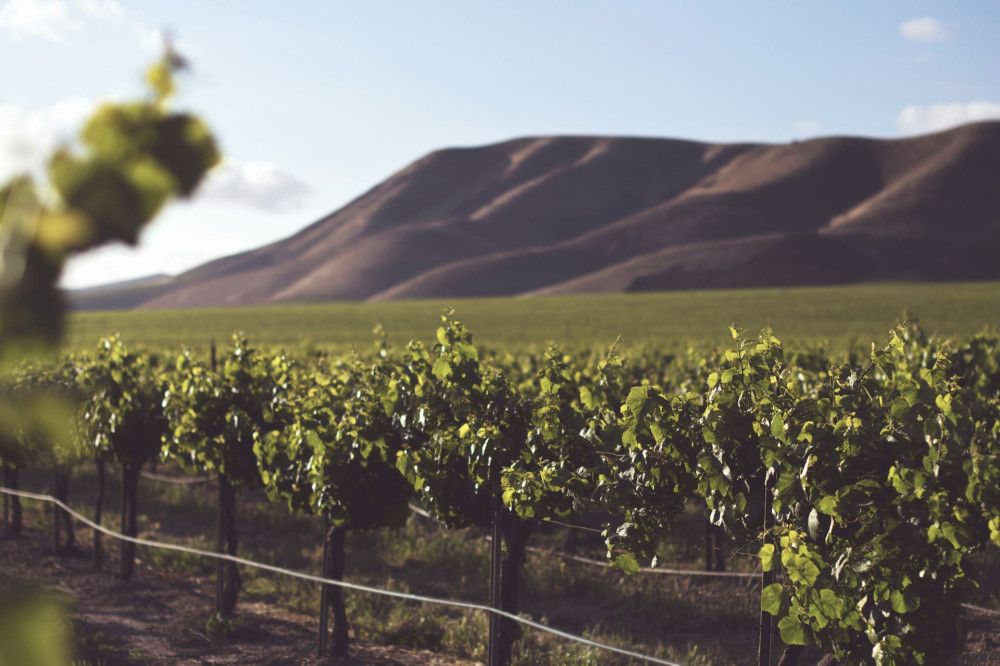
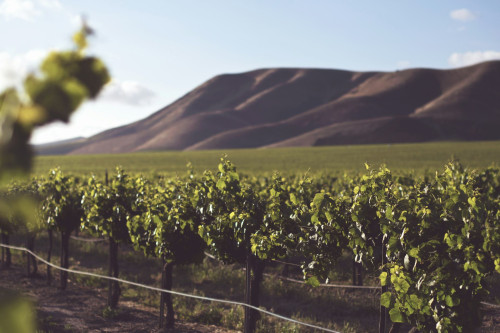
Vineyards are among the most climate-sensitive agricultural systems. Rising temperatures, droughts, and extreme weather events are already altering harvest times and grape quality. In regions like California, Australia, and southern Europe, producers are battling heatwaves and water scarcity, while cooler areas such as Oregon, Canada, and parts of northern Europe are seeing new opportunities — but also greater unpredictability.
For many producers, sustainability is no longer just a marketing term; it’s a matter of survival. Governments, research institutions, and wineries are now working together to ensure that wine production can thrive in a changing climate.
Green Technology in the Vineyard
One of the most visible trends in sustainable winemaking is the use of technology to reduce resource consumption. Drones and soil sensors help monitor vine health and optimize irrigation, ensuring that every drop of water is used efficiently.
In California’s Napa and Sonoma Valleys, many wineries have installed solar panels that power everything from fermentation tanks to cooling systems. In France and Spain, robotic weeders are replacing herbicides, reducing chemical use and protecting soil health.
These innovations not only make wine production greener but also improve efficiency and grape quality — a win-win for producers and the planet.
Regenerative Agriculture and Biodiversity
Beyond reducing their environmental footprint, many wineries are now working to restore the ecosystems around their vineyards. Regenerative agriculture focuses on rebuilding soil fertility through natural processes. Instead of plowing and using synthetic fertilizers, growers plant cover crops that capture carbon, prevent erosion, and enhance soil structure.
In countries like Chile, New Zealand, and the United States, regenerative practices are gaining momentum. Wineries that adopt these methods report healthier soils, more resilient vines, and a noticeable increase in biodiversity — from pollinators to native plants.
Læs også:


Water and Packaging: Two Major Challenges
Water use and packaging remain two of the industry’s biggest environmental challenges. In drought-prone regions such as California, South Africa, and Spain, water conservation has become essential. Many wineries now recycle wastewater from production and use precision drip irrigation systems to minimize waste.
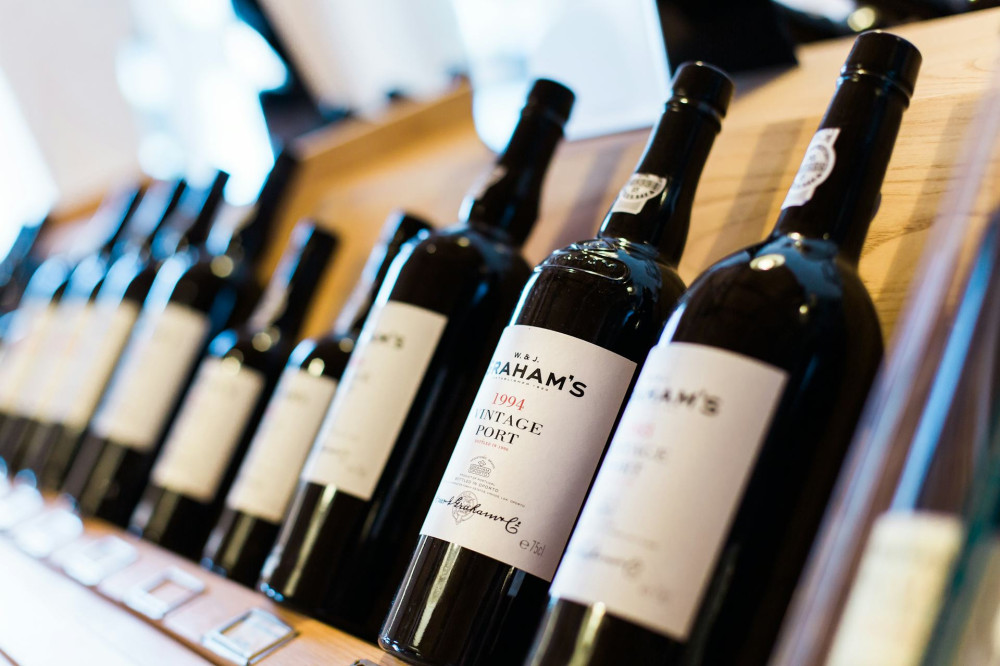
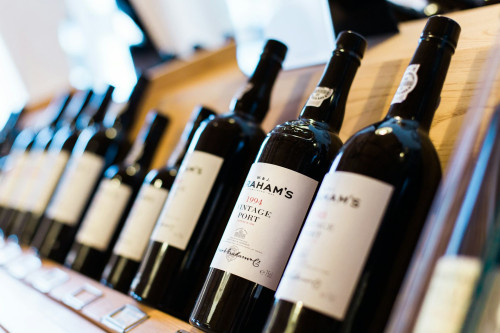
At the same time, producers are rethinking packaging to reduce carbon emissions. Lightweight bottles, recycled glass, and alternative materials like paper and aluminum are becoming more common. Some U.S. retailers and importers are even experimenting with refillable bottle programs — a concept that could transform the entire wine supply chain.
Certifications and Consumer Awareness
Sustainability is no longer just an internal goal for producers; it’s a growing expectation among consumers. Wine drinkers are increasingly looking for labels that reflect environmental responsibility.
To meet this demand, many countries have introduced certification programs that verify sustainable practices. In the U.S., the Certified California Sustainable Winegrowing program sets rigorous standards for energy use, water management, and social responsibility. Similar initiatives exist in Italy (VIVA Sustainable Wine), France (Haute Valeur Environnementale), and New Zealand (Sustainable Winegrowing New Zealand).
These certifications help consumers make informed choices — and encourage producers to keep improving their environmental performance.
The Future of Wine: Innovation and Collaboration
Sustainable wine production is as much about collaboration as it is about technology. Researchers, growers, and policymakers are working together to develop new grape varieties that can withstand heat and disease without sacrificing flavor. Universities and research centers in the U.S., Australia, and Europe are investing heavily in studies on carbon sequestration, soil health, and circular production systems.
The future of wine will therefore reflect not only terroir and tradition but also innovation and responsibility. As the industry evolves, sustainability will define how wine is grown, produced, and enjoyed.
A Greener Wine World on the Horizon
The global wine industry is undergoing a transformation. What was once considered a niche movement has become a necessity — and a competitive advantage. By investing in green solutions, wine-producing countries are not only protecting the environment but also preserving a cultural heritage that has endured for millennia.
Sustainable wine production is more than a trend; it’s the path forward for the entire industry — ensuring that future generations can continue to raise a glass to both great wine and a healthy planet.
Læs også: