Circular Wine Production: How Wine Is Becoming More Sustainable and Resource-Efficient

Circular Wine Production: How Wine Is Becoming More Sustainable and Resource-Efficient
For centuries, winemaking has been an art form rooted in tradition. Today, it’s also a field of innovation and environmental responsibility. As climate change, resource scarcity, and shifting consumer expectations reshape the wine industry, producers across the United States are rethinking how wine is grown, made, and distributed. One of the most promising approaches is circular wine production—a model where nothing goes to waste and every resource is reused in a closed loop.
From Linear to Circular Thinking
Traditional wine production has followed a linear path: grapes are grown, wine is made, and the leftovers are discarded. A circular model, by contrast, looks at the entire life cycle—from vineyard to bottle—and asks: how can we reuse what we already have?
The goal isn’t just to reduce waste, but to create value from what was once considered byproducts. Grape skins, seeds, stems, yeast, and even wastewater can be repurposed into new materials and energy sources, making the process more efficient and environmentally friendly.
Læs også:

Giving New Life to Grape Pomace and Byproducts
When grapes are pressed, large amounts of skins, seeds, and stems—collectively known as pomace—are left behind. Instead of being discarded, these materials can be transformed in several ways:
- Renewable energy – Pomace can be fermented to produce biogas, which powers winery operations or local energy grids.
- Soil enrichment – Composting grape residues returns nutrients to the vineyard, improving soil health and reducing the need for synthetic fertilizers.
- Food and cosmetics – Grape seeds and skins are rich in antioxidants and polyphenols, which are extracted for use in natural supplements, skincare, and even plant-based dyes.
By closing the loop, wineries turn waste into resources, creating a more resilient and sustainable production system.
Balancing Water and Energy Use
Water scarcity is one of the biggest challenges for American vineyards, especially in regions like California, Oregon, and Washington. Many wineries are now investing in closed-loop water systems that treat and reuse wastewater for irrigation or cleaning. Some even capture rainwater or use drip irrigation to minimize consumption.
Energy efficiency is another key focus. Solar panels, geothermal heating, and energy-efficient cooling systems are becoming standard features at forward-thinking wineries. A few producers have gone a step further, becoming energy-positive—generating more power than they consume and feeding the surplus back into the grid.
Rethinking Packaging
The wine bottle is iconic, but it’s also one of the industry’s largest sources of carbon emissions. Glass production is energy-intensive, and transporting heavy bottles adds to the footprint.
To address this, many U.S. wineries are experimenting with lighter glass, recycled materials, and alternative packaging such as aluminum cans, paper bottles, or refillable containers. Refill programs and local tap systems—where customers can bring their own bottles—are gaining traction in urban areas, reducing waste and transportation emissions.
Regenerative Vineyards and Biodiversity
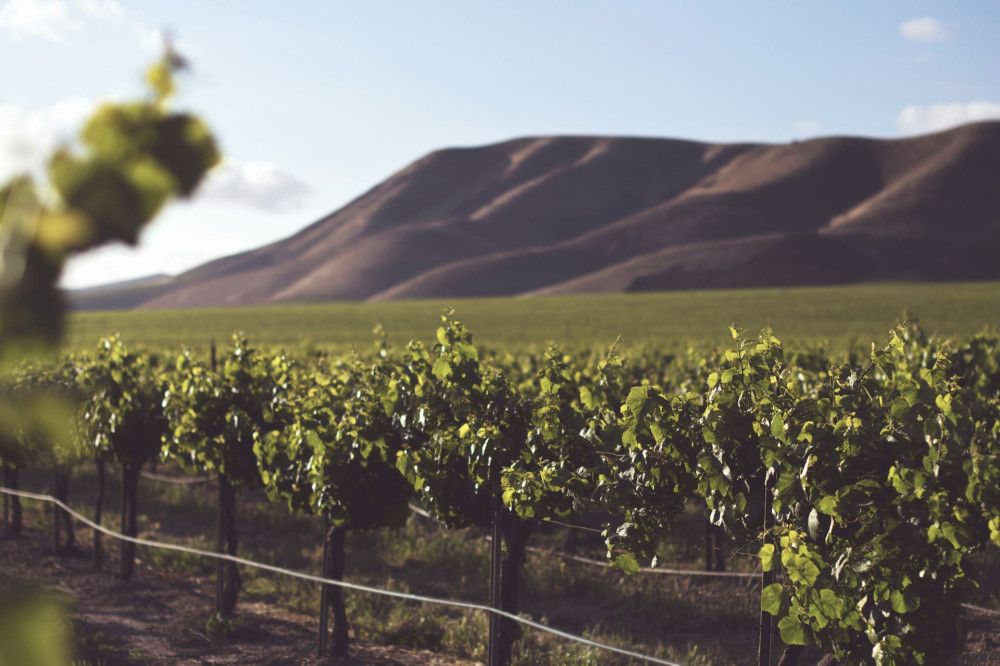
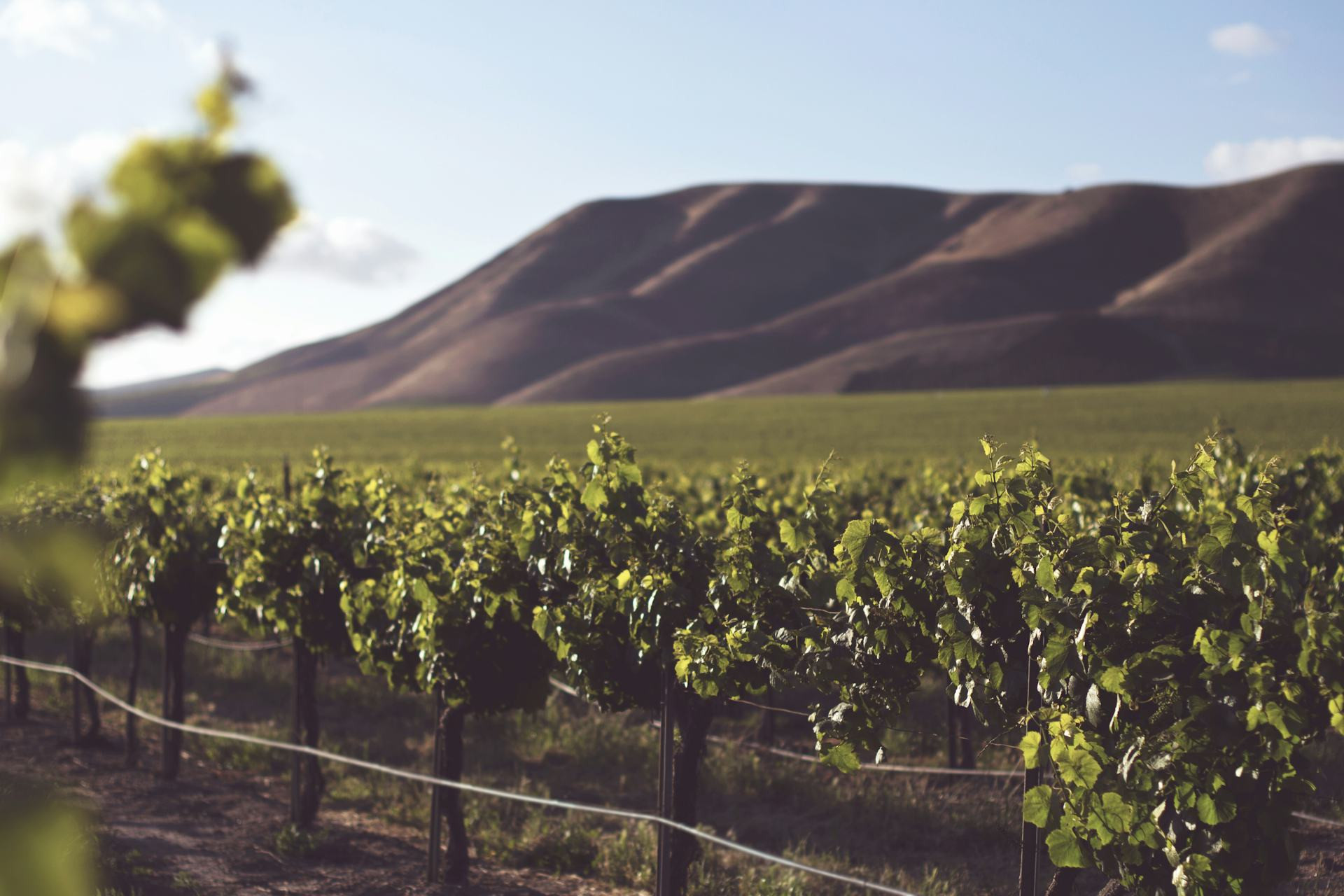
Circular wine production isn’t just about technology—it’s also about working with nature. More American vineyards are adopting regenerative farming practices that restore soil health and promote biodiversity.
Cover crops between vine rows, grazing animals for natural weed control, and the elimination of chemical pesticides all contribute to a healthier ecosystem. These methods not only improve soil fertility but also help vineyards withstand droughts, pests, and erosion—making them more resilient in a changing climate.
The Consumer’s Role
The circular approach doesn’t end at the winery gate. Consumers play a vital role by supporting sustainable choices—buying wines with environmental certifications, returning bottles, or choosing locally produced wines to reduce transportation emissions.
Transparency is also becoming a hallmark of the new wine economy. Many producers now share data on carbon footprints, water use, and recycling rates, allowing consumers to see the real impact of their purchases.
A New Chapter for Wine’s Future
Circular wine production represents more than a trend—it’s a transformation. By combining tradition with innovation, the wine industry is proving that quality and sustainability can go hand in hand.
As growers, producers, and consumers work together to create a closed-loop system, wine becomes more than a beverage. It becomes part of a larger story—one of responsibility, respect for nature, and a commitment to preserving the resources that make every glass possible.
Læs også: