Discover the Nuances of Wine: Choose Bottles That Refine Your Palate

Discover the Nuances of Wine: Choose Bottles That Refine Your Palate
Exploring the world of wine is like opening a storybook where every bottle reveals a new chapter. Flavor, aroma, and texture shift from grape to grape, vineyard to vineyard, and vintage to vintage. Many wine lovers start with a few trusted favorites, but to truly refine your palate, curiosity and a willingness to explore are key. Here’s how you can choose wines that expand your horizons and sharpen your senses.
Start with What You Know – and Branch Out
Most of us have a go-to style. Maybe it’s a bold California Cabernet or a crisp Oregon Pinot Gris. That’s a great foundation, but use your preferences as a springboard for discovery.
- Love Pinot Noir from Oregon? Try a Spätburgunder from Germany or a delicate red from New Zealand – same grape, different expression.
- Enjoy Sauvignon Blanc? Compare a grassy Sancerre from France with a tropical, zesty version from California’s North Coast. You’ll taste how climate and soil shape the wine.
- Prefer full-bodied reds like Zinfandel? Explore a Spanish Priorat or an Italian Ripasso – both rich, but often with more structure and balance.
By tasting variations of what you already enjoy, you train your palate to recognize subtle differences and understand what truly appeals to you.
Learn to Taste with Intention
Developing your palate isn’t just about drinking wine – it’s about tasting mindfully. Slow down and engage all your senses.
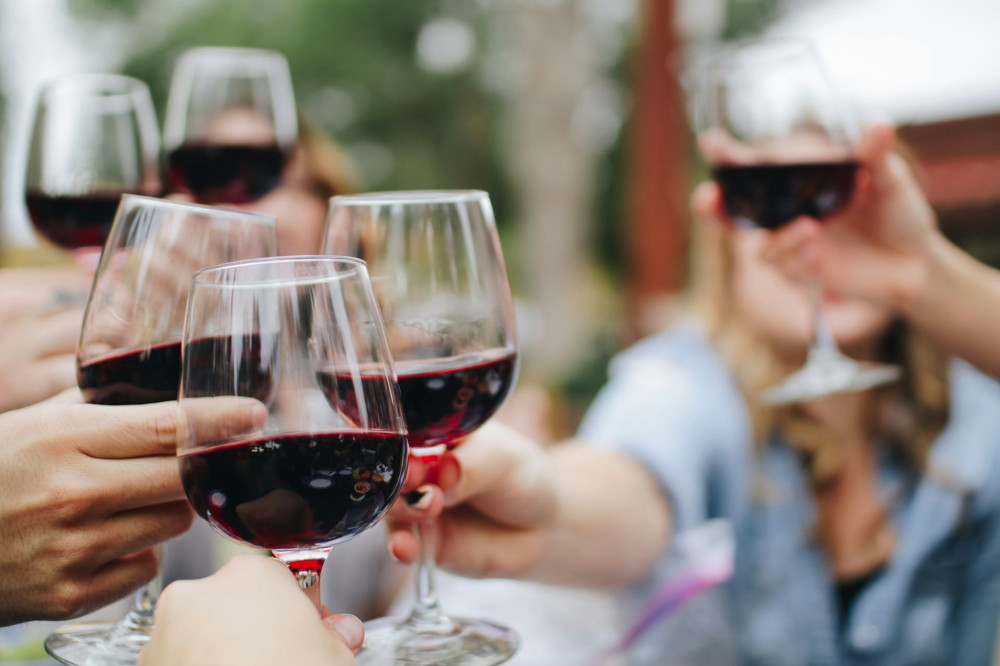
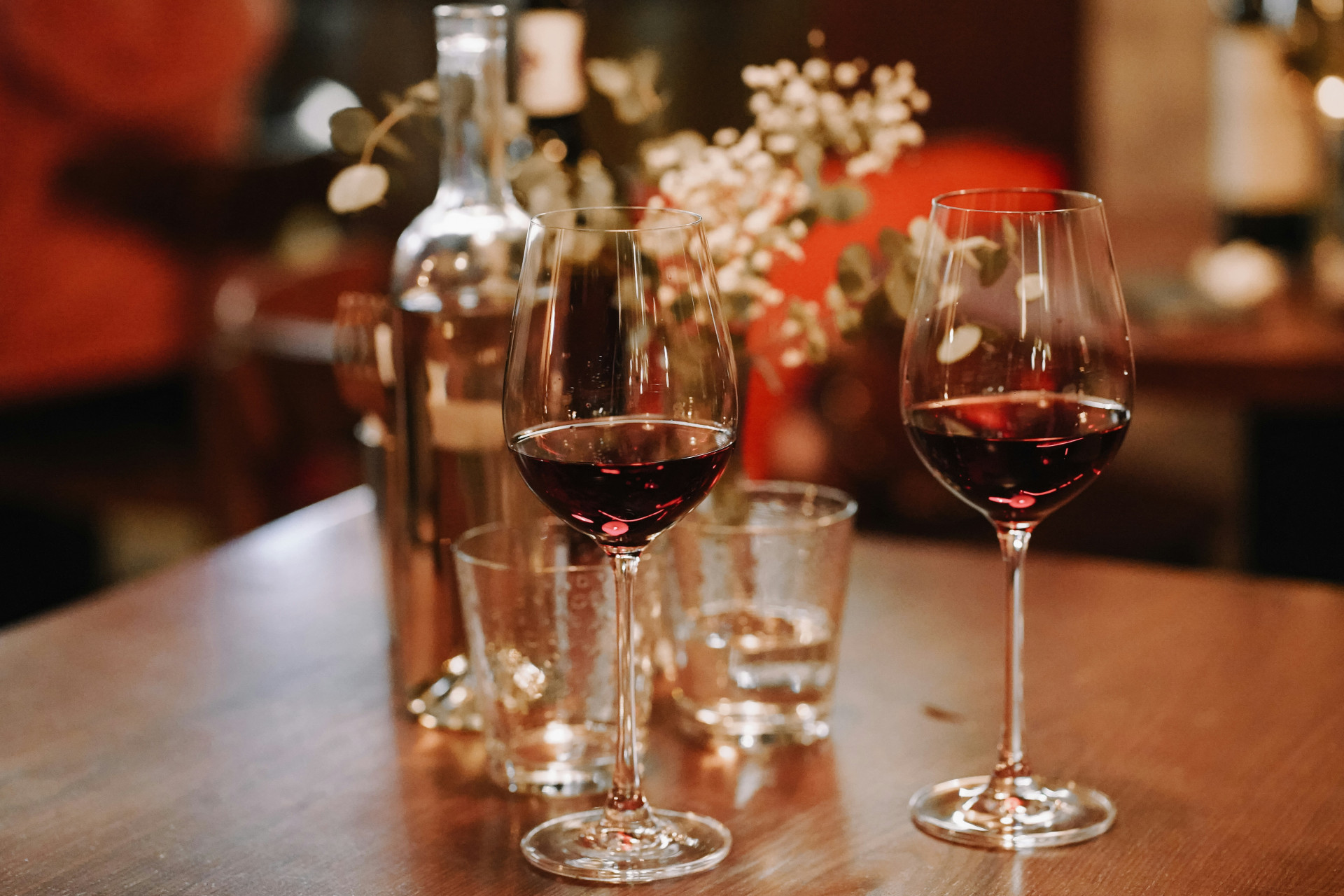
- Look at the color. It can hint at age and style. A young red often glows ruby, while an older one turns garnet or brick.
- Smell the wine. Identify aromas – fruit, flowers, herbs, spices, oak. Note what’s familiar and what surprises you.
- Taste slowly. Pay attention to the balance of acidity, sweetness, tannin, and alcohol. How does the wine feel on your tongue? How does it evolve with each sip?
The more you practice, the easier it becomes to describe what you experience – and to find wines that match your personal taste.
Explore Grapes and Regions Beyond the Usual
The world is full of fascinating grape varieties that rarely make it to supermarket shelves. Trying new ones can open doors to entirely new flavor profiles.
- Albariño from Spain’s Rías Baixas offers bright citrus and a salty edge – perfect with seafood.
- Nerello Mascalese from Sicily’s volcanic slopes produces light, elegant reds with earthy depth.
- Torrontés from Argentina is aromatic and floral, yet refreshingly dry.
- Cabernet Franc from the Loire Valley delivers herbal notes and lively acidity – a lighter alternative to Cabernet Sauvignon.
Exploring lesser-known grapes helps you understand how climate, soil, and winemaking style influence the final wine.
Læs også:
Let Food Be Your Guide
Wine and food are natural partners. Tasting wine alongside different dishes reveals how pairing can transform both.
- A wine with bright acidity can cut through rich, creamy dishes.
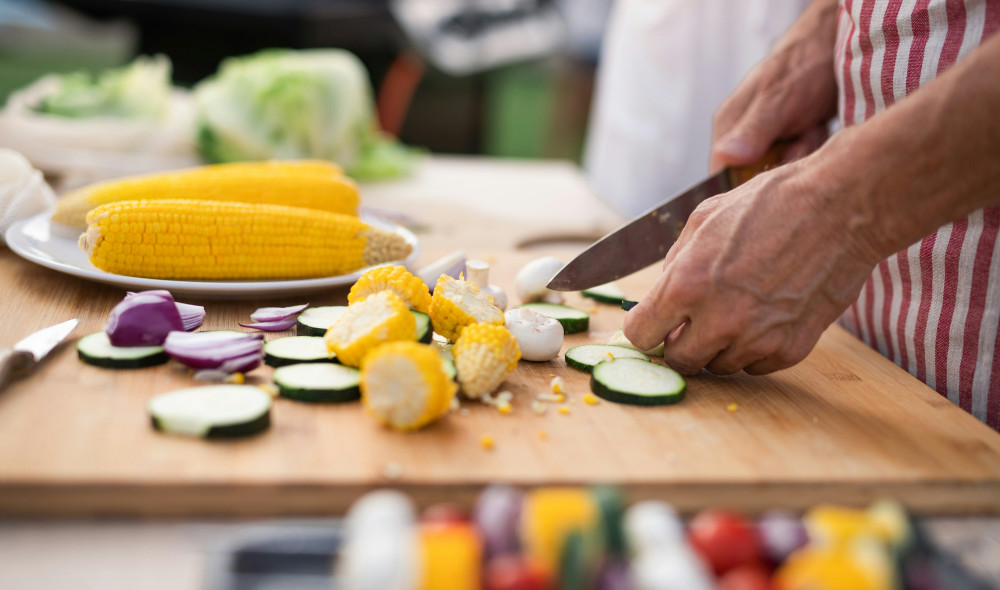
- A light red, slightly chilled, can pair beautifully with grilled salmon or roasted vegetables.
- A sweet dessert wine can highlight the fruit and spice in a pastry or tart.
Try hosting a small tasting at home: choose three wines for one dish and notice how each pairing changes the experience. It’s a fun, hands-on way to learn.
Take Your Time – and Keep Notes
Your palate develops over time. The more you taste, the more precisely you can describe what you like. Many wine enthusiasts keep a small notebook or use an app to record impressions. Note the grape, region, vintage, and your own words for aroma and flavor. Over time, patterns emerge – and you’ll rediscover bottles you loved.
Wine as an Experience – Not a Test
Learning about wine should be a pleasure, not a performance. There’s no “right” taste, only your own. Some days call for a crisp rosé, others for a complex red. What matters most is curiosity and openness – letting each bottle tell its story.
When you choose wines that challenge and inspire you, you don’t just refine your palate; you deepen your appreciation for the craft, the culture, and the people behind every pour. That’s where the true nuances of wine come to life.
Læs også: