Proteins Explained: The Building Blocks That Keep You Healthy and Balanced


Proteins Explained: The Building Blocks That Keep You Healthy and Balanced
Proteins are among the most essential building blocks of the human body. They’re found in everything from muscles and skin to hormones and enzymes—and without them, your body simply couldn’t function. But what exactly are proteins, why are they so important, and how can you make sure you’re getting the right amount? Here’s a clear guide to understanding how proteins keep you healthy and balanced.
What Are Proteins?
Proteins are large molecules made up of smaller units called amino acids. There are 20 different amino acids, and they can be combined in countless ways—like letters forming different words. Your body can produce some of these amino acids on its own, but nine of them are considered essential, meaning you must get them from food.
When you eat protein-rich foods, your digestive system breaks the proteins down into amino acids. Your body then uses these amino acids to build and repair tissues, produce enzymes and hormones, and support your immune system.
Læs også:



Why Are Proteins Important?
Proteins play a role in nearly every process in your body:
- Building and maintaining muscles – especially important if you’re active or exercise regularly.
- Supporting the immune system – antibodies that fight infections are made of proteins.
- Transporting and storing substances – for example, hemoglobin, which carries oxygen in your blood, is a protein.
- Producing hormones – many hormones, such as insulin and growth hormone, are proteins.
- Acting as enzymes – proteins that speed up chemical reactions in the body, making them more efficient.
Without enough protein, your body can’t perform these functions properly, which can lead to fatigue, muscle loss, and a weakened immune system.
How Much Protein Do You Need?
Your protein needs depend on your age, sex, weight, and activity level. According to the Dietary Guidelines for Americans, most adults should aim for about 0.8 grams of protein per kilogram of body weight per day—that’s roughly 56 grams for men and 46 grams for women.
If you’re very active, pregnant, breastfeeding, or older, your protein needs may be higher, since your body requires more building material to maintain and repair tissues.
Good Sources of Protein
Protein is found in a wide variety of foods—both animal and plant-based. The key is to eat a mix of sources so you get all the essential amino acids your body needs.
- Animal sources: meat, poultry, fish, eggs, milk, cheese, and yogurt.
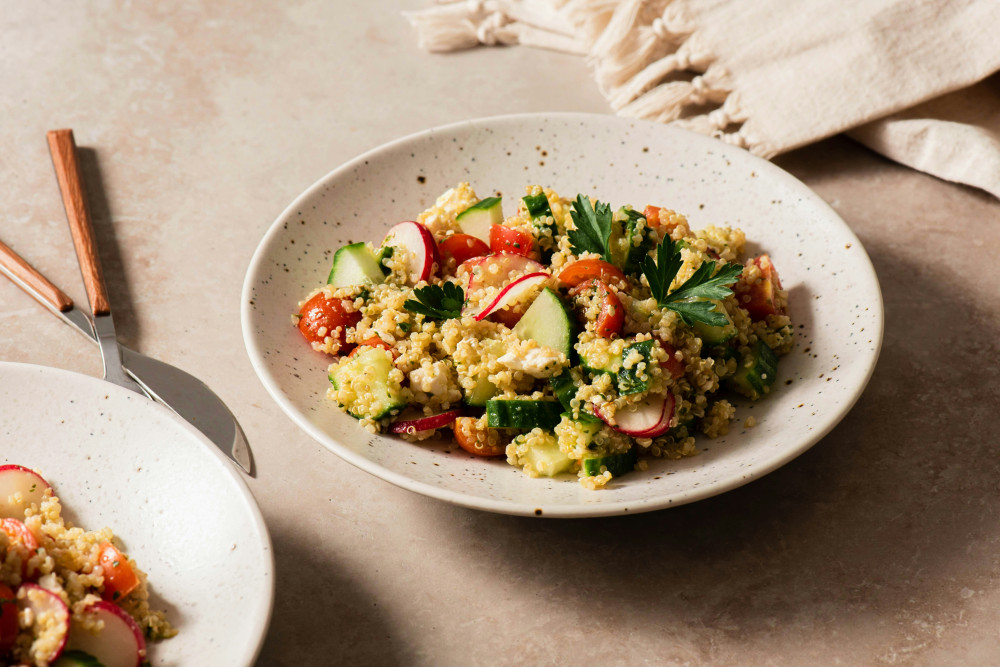
- Plant-based sources: beans, lentils, chickpeas, tofu, nuts, seeds, and whole grains.
If you follow a vegetarian or vegan diet, combining different plant proteins—like rice and beans—can help you achieve a complete amino acid profile.
Can You Get Too Much Protein?
While protein is vital, more isn’t always better. Consuming very high amounts of protein over time can put extra strain on your kidneys, especially if you already have kidney issues. A diet that’s too high in protein and too low in carbohydrates and healthy fats can also throw off your energy balance.
For most people, it’s rare to get too much protein from regular foods—it’s more about finding the right balance for your body and lifestyle.
Protein and Weight Management
Protein has a unique benefit: it helps you feel full. That means you’re likely to stay satisfied longer after a protein-rich meal, which can support weight management or weight loss goals. Protein also requires more energy to digest than carbohydrates or fats, giving your metabolism a small boost.
A simple tip is to include a source of protein in every meal—like eggs for breakfast, chicken or beans for lunch, and fish or lentils for dinner.
Finding Balance in Everyday Eating
A healthy diet isn’t just about protein—it’s about balance. Make sure your meals also include vegetables, whole grains, and healthy fats. This combination provides the energy, vitamins, and minerals your body needs to function at its best.
A few easy tips:
- Eat a variety of protein sources—both animal and plant-based.
- Spread your protein intake evenly throughout the day.
- Pair protein with vegetables and whole grains for better satiety and nutrition.
- Stay hydrated, especially if you increase your protein intake.
Proteins – More Than Just Muscles
Protein isn’t only about building muscle or improving athletic performance. It’s the foundation of a strong immune system, steady energy, and overall well-being. By understanding how proteins work and how to include them in a balanced diet, you can give your body the tools it needs to stay healthy—every single day.
Læs også: