Dietary Fiber and Energy: Steady Blood Sugar Through Smart Food Choices

Dietary Fiber and Energy: Steady Blood Sugar Through Smart Food Choices
Keeping your blood sugar steady is key to lasting energy, better focus, and fewer sugar cravings throughout the day. One of the most effective ways to achieve this balance is through dietary fiber — the indigestible part of plant foods that does wonders for both digestion and energy levels. But how exactly does fiber work, and how can you use it to your advantage?
What Is Dietary Fiber — and Why Does It Matter?
Dietary fiber is found naturally in fruits, vegetables, whole grains, legumes, nuts, and seeds. It’s generally divided into two main types: soluble and insoluble fiber.
- Soluble fiber forms a gel-like substance in the digestive tract, slowing the absorption of sugar and fat into the bloodstream. This helps prevent sharp spikes in blood sugar after meals.
- Insoluble fiber adds bulk to stool and supports healthy digestion by keeping things moving through the intestines.
Both types are important for maintaining balance in the body. Fiber-rich foods also help you feel full longer, which can support weight management and reduce the urge for quick, sugary snacks.
How Fiber Helps Regulate Blood Sugar
When you eat foods high in fiber, your body takes longer to break down carbohydrates into glucose. This means sugar enters your bloodstream more gradually, helping you avoid the highs and lows that can lead to fatigue and mood swings.
Stable blood sugar levels translate into more consistent energy throughout the day. Instead of hitting that mid-afternoon slump and reaching for a candy bar, you’ll experience a steadier flow of energy that helps you stay focused and productive.
Top Sources of Dietary Fiber
The Dietary Guidelines for Americans recommend that adults consume about 25–38 grams of fiber per day, depending on age and gender. That might sound like a lot, but with a few simple swaps, it’s easy to reach your goal. Here are some of the best sources:
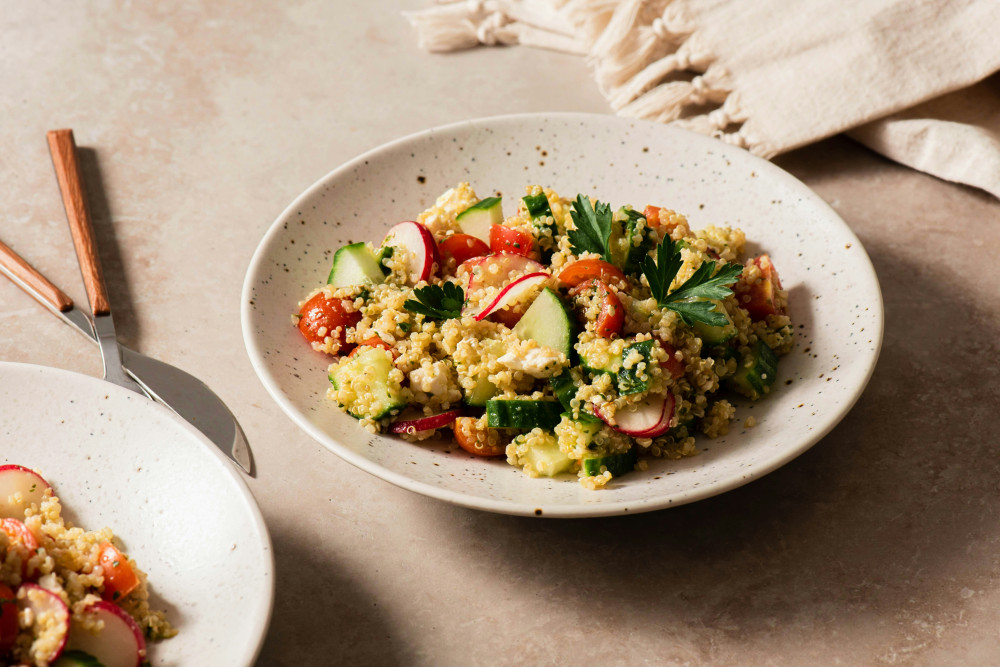
- Whole grains – Choose whole-wheat bread, oatmeal, brown rice, and quinoa instead of refined grains.
- Vegetables – Broccoli, carrots, Brussels sprouts, and leafy greens are all excellent choices.
- Fruits – Apples, pears, and berries provide both fiber and natural antioxidants.
- Legumes – Beans, lentils, and chickpeas are rich in both fiber and plant-based protein.
- Nuts and seeds – Chia seeds, flaxseeds, and almonds add fiber along with healthy fats.
A good rule of thumb is to fill half your plate with vegetables and choose whole grains whenever possible. Small, consistent changes can make a big difference over time.
Læs også:




Pair Fiber With Protein and Healthy Fats
While fiber plays a central role, the best results come from combining it with protein and healthy fats. This combination slows digestion even further, keeping you full and your blood sugar stable.
For example, try a bowl of oatmeal topped with chia seeds, nuts, and a spoonful of Greek yogurt, or a lunch salad with lentils, colorful vegetables, and olive oil. It’s not about eating perfectly — it’s about creating a rhythm that supports your body’s natural energy needs.
Increase Fiber Gradually
If you’re not used to eating much fiber, increase your intake slowly. A sudden jump can cause bloating or discomfort as your digestive system adjusts. Start by adding one fiber-rich food to each meal — maybe some extra veggies at dinner or a handful of berries with breakfast. And don’t forget to drink plenty of water, since fiber absorbs fluid in the intestines.
Fiber as Part of a Healthy Lifestyle
Dietary fiber isn’t just about digestion or blood sugar. It also supports a healthy gut microbiome, helps lower cholesterol, and contributes to overall well-being. When you eat a fiber-rich diet, you’re supporting your body’s natural balance — and you’ll feel the difference in your energy, focus, and mood.
Choosing fiber-rich foods isn’t a quick fix but a long-term investment in your health and vitality. It doesn’t require drastic changes — just mindful choices that add up to steady energy and a stronger, healthier you.
Læs også: