Plant-Based Balance: When Greens Become the Cornerstone of a Varied Diet

Plant-Based Balance: When Greens Become the Cornerstone of a Varied Diet
Across the United States, more people are discovering the benefits of letting vegetables, legumes, and whole grains take center stage on their plates. It’s not necessarily about becoming vegetarian or vegan, but about finding a balance where plants play a bigger role—for the sake of both health and the planet. A plant-forward diet can be colorful, satisfying, and full of variety when approached with creativity. Here’s how to make greens the foundation of a balanced way of eating.
Why Go Plant-Based?
A diet rich in plant foods has been linked to a lower risk of heart disease, type 2 diabetes, and certain cancers. It’s typically high in fiber, vitamins, and antioxidants, while being lower in saturated fat. Many Americans who shift toward plant-based meals report feeling more energetic and experiencing improved digestion.
The benefits extend beyond personal health. Producing vegetables, beans, and grains generally requires fewer natural resources and emits less greenhouse gas than raising livestock. Choosing more plant-based meals is therefore a simple but meaningful step toward a more sustainable food system.
That doesn’t mean you have to give up all animal products. The goal is balance—where plants form the foundation, and meat, fish, or dairy become accents rather than the main attraction.
Building a Plant-Based Plate
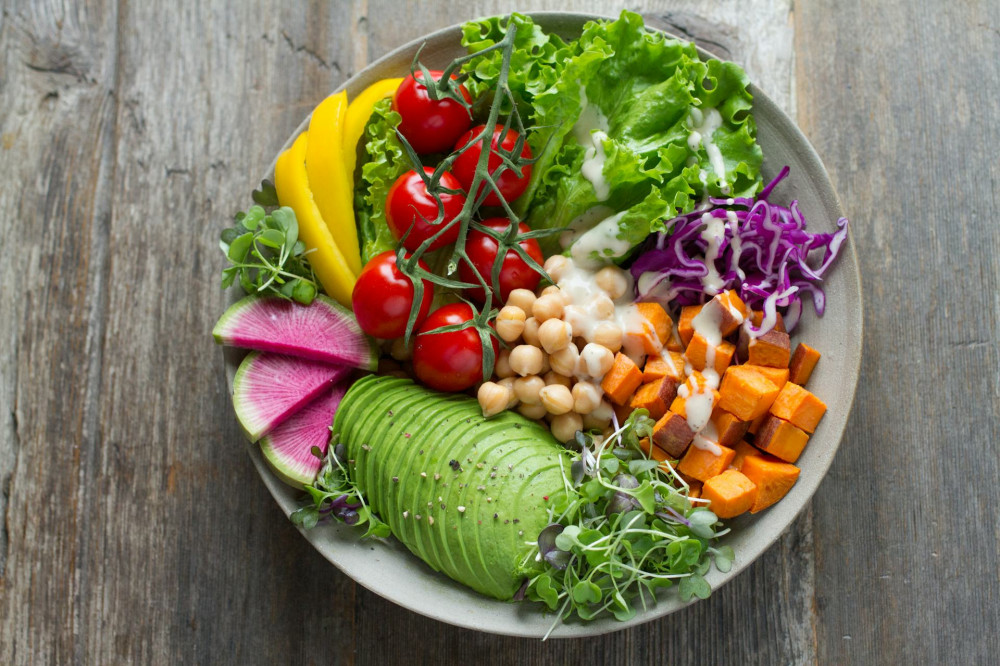
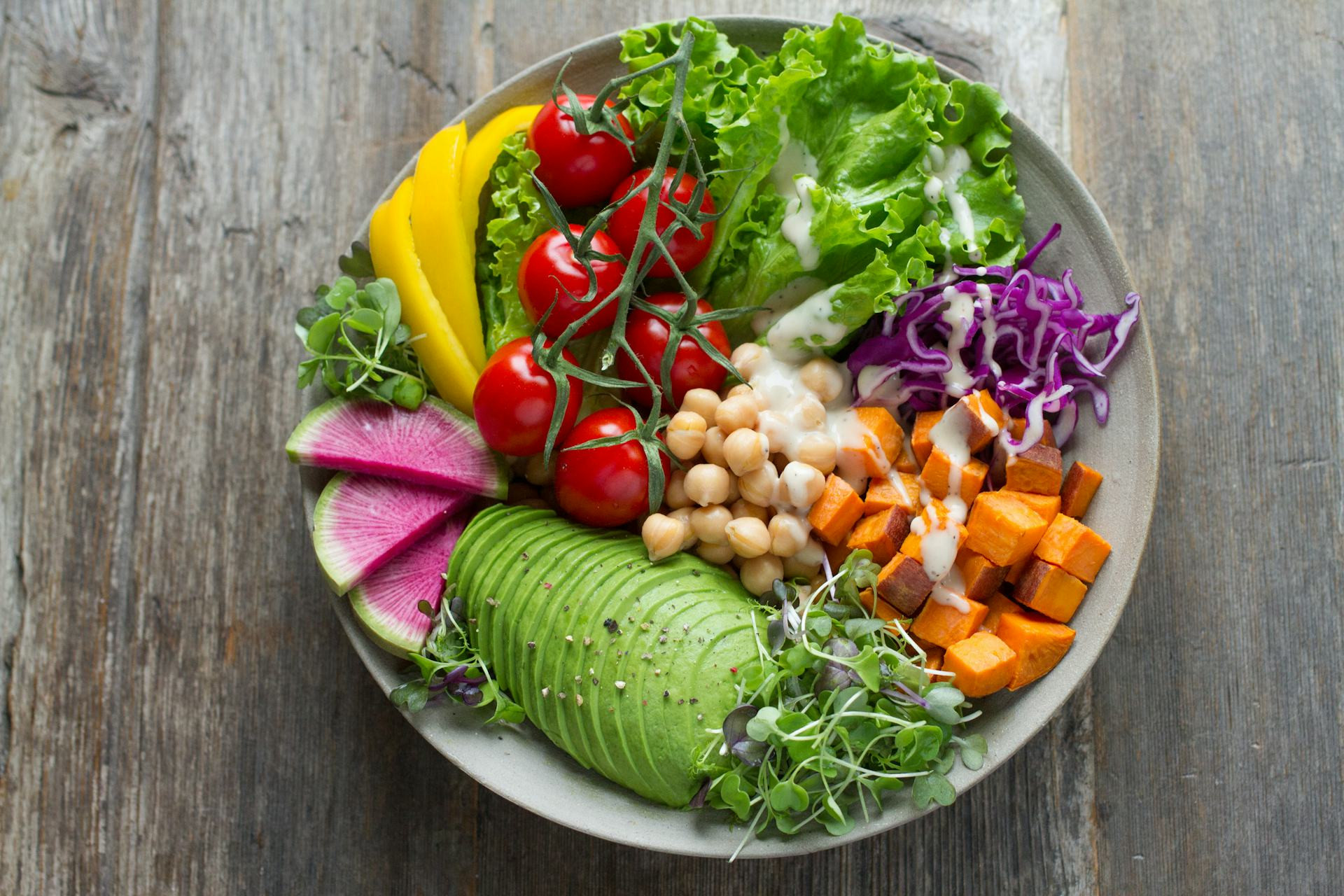
A helpful rule of thumb is to fill half your plate with vegetables—both raw and cooked. The other half can be divided between whole grains and protein sources such as beans, lentils, chickpeas, tofu, or nuts.
- Vegetables: Mix colors and textures. The more variety, the broader the range of nutrients.
- Whole grains: Choose brown rice, quinoa, whole-wheat pasta, or barley for fiber and lasting fullness.
- Proteins: Legumes are excellent sources of protein and can be used in soups, salads, tacos, or grain bowls.
- Healthy fats: Opt for olive oil, avocado, or nuts instead of butter or cream.
Thinking in components rather than fixed recipes makes it easier to create meals that are both nourishing and flavorful.
Flavor and Satisfaction: The Keys to Consistency
One of the biggest challenges in eating more plant-based is making meals feel satisfying. Flavor, texture, and seasoning are essential. Use herbs, spices, citrus, and umami-rich ingredients like mushrooms, soy sauce, or miso to add depth.
Try a lentil chili with smoky paprika, a roasted vegetable salad with tahini dressing, or a pasta dish topped with sautéed greens and toasted walnuts. When food tastes great, it’s easy to stick with your new habits—even on busy days.
Læs også:




Avoiding Common Pitfalls
While plant-based eating can be very healthy, it takes a bit of attention to cover all nutritional bases. Protein, iron, vitamin B12, and omega-3 fatty acids can be trickier to get if you cut out animal products entirely.
- Combine different plant proteins throughout the day.
- Eat iron-rich foods like lentils, spinach, and fortified cereals, and pair them with vitamin C sources for better absorption.
- Consider fortified plant milks or supplements for B12 if you’re fully plant-based.
- Get healthy fats from flaxseeds, chia seeds, and walnuts.
With a little planning, it’s easy to meet your nutritional needs—no meat required.
Making It Work in Everyday Life
You don’t have to overhaul your diet overnight. Start small:
- Try “Meatless Monday” or another meat-free day each week.
- Replace half the meat in a recipe with beans or lentils.
- Use vegetables as the base for sauces, casseroles, or wraps.
- Explore global cuisines—Mediterranean, Middle Eastern, and Asian dishes often highlight plant ingredients beautifully.
Once you start experimenting, you’ll find that plant-based cooking opens up a world of new flavors and possibilities.
A Balance That Lasts
Eating more plants isn’t about following a fad—it’s about finding a rhythm that fits your lifestyle. It’s a way to care for your body and the environment without sacrificing enjoyment.
When greens become the cornerstone of your diet, you gain not only more nutrients and fiber but also a renewed appreciation for food itself. That’s balance in action—one bite at a time.
Læs også: