Everyday Meals with Flavor – Without Using Many Resources


Everyday Meals with Flavor – Without Using Many Resources
Good everyday food doesn’t have to be expensive, time-consuming, or complicated. With a few ingredients, some planning, and a bit of creativity, you can make meals that taste great and fit into a busy schedule. It’s all about making the most of what you already have and finding simple ways to get the best results with minimal effort.
Planning Saves Time and Money
One of the easiest ways to take control of your daily meals is to plan ahead. You don’t need a detailed schedule—just a rough idea of what you’ll cook over the next few days. This helps you avoid impulse buys and reduces food waste.
Make a shopping list based on your plan and stick to it. Many people find they save both time and money by shopping fewer times each week. It also becomes easier to use leftovers when you know what they can be turned into.
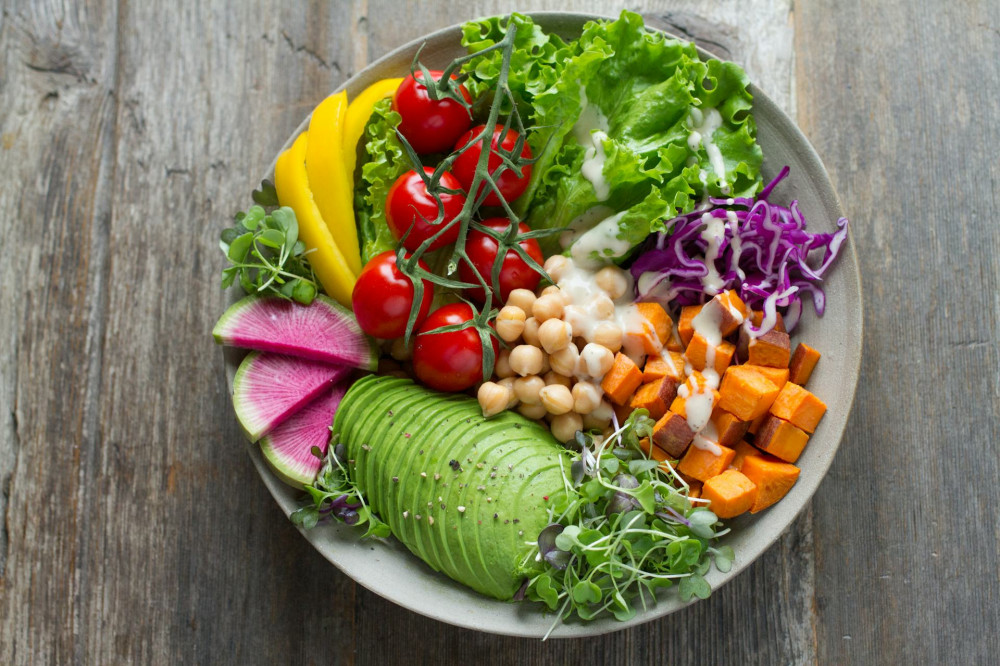
Choose ingredients that can serve multiple purposes. For example, a bag of carrots can become soup, a side dish, or part of a salad.
Cook with Seasonal Produce
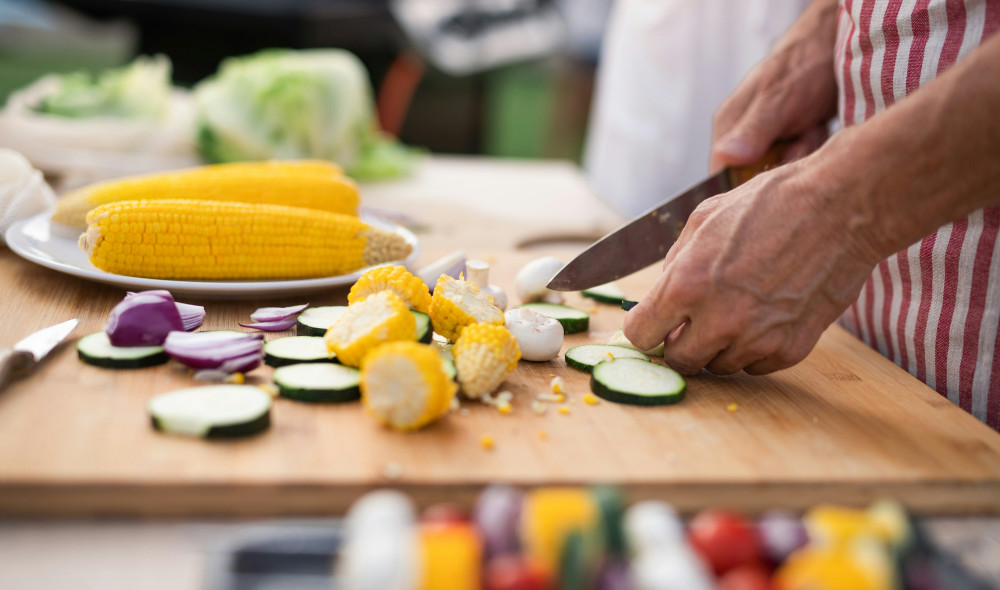
Seasonal produce isn’t just cheaper—it tastes better too. When you buy fruits and vegetables that are in season, you get freshness and quality at a lower cost. In summer, think tomatoes, zucchini, and fresh herbs; in winter, go for root vegetables, cabbage, and onions that add depth and comfort.
Cooking with the seasons also keeps your meals interesting. You naturally get variety throughout the year, and you support a more sustainable way of eating.
Keep It Simple – but Flavorful
Everyday cooking should be realistic. That means meals should come together quickly and without too many steps. But simple doesn’t have to mean boring.
Flavor can come from small touches: a squeeze of lemon, a splash of vinegar, a handful of fresh herbs, or a sprinkle of toasted nuts. A basic pasta dish can shine with garlic, chili flakes, and olive oil, while a vegetable soup can gain richness from a spoonful of curry powder or a dash of lime juice.
It’s the little details that make a big difference.
Leftovers Are Hidden Treasures
Instead of seeing leftovers as dull, think of them as building blocks for new meals. Leftover rice can become fried rice with vegetables, cooked potatoes can turn into a quick hash or omelet, and yesterday’s chicken can be transformed into a salad or sandwich.
Reusing food saves both money and resources—and it means you don’t have to start from scratch every day.
Keep pantry staples like eggs, onions, canned tomatoes, and pasta on hand. They pair well with almost anything and can rescue many busy evenings.
Læs også:



Cooking as a Shared Activity
Even on hectic days, cooking can be a moment to connect. Get the family involved—kids can wash vegetables, set the table, or stir the pot. It turns mealtime into something you create together and builds a natural appreciation for food.
Cooking as a team also makes it easier to experiment and discover new favorites. It doesn’t have to be perfect—the goal is to enjoy the process and the meal.
Balance Flavor, Health, and Mindfulness
In the end, making flavorful everyday meals is about balance. You don’t have to choose between healthy, affordable, and tasty—they can go hand in hand. With a bit of planning, thoughtful choices, and an open mind toward ingredients, you can create meals that satisfy, delight, and respect both your budget and the planet.
Læs også: