The Cafeteria as a Cultural Carrier: Food, Design, and Atmosphere that Reflect the Company’s Values


The Cafeteria as a Cultural Carrier: Food, Design, and Atmosphere that Reflect the Company’s Values
In many American workplaces, the cafeteria is more than just a place to grab lunch. It’s a daily gathering spot, a break from meetings and emails—and a reflection of the company’s culture. From the menu to the furniture and the overall atmosphere, every detail can express what the organization stands for. The cafeteria can tell a story about who the company is and what it values.
Food as Identity and Message
Food is often the most visible expression of a company’s values. A business that prioritizes sustainability might serve locally sourced ingredients, seasonal produce, and plant-based options. A tech startup may focus on health-conscious meals that fuel creativity and productivity, while a manufacturing company might emphasize hearty, familiar dishes that bring comfort and connection.
But food is also communication. When a company chooses to reduce food waste, offer vegetarian days, or highlight fair-trade coffee, it sends a message—both internally and externally—about responsibility and care. The cafeteria becomes part of the company’s brand narrative, reinforcing its values through everyday choices.
Design that Encourages Connection
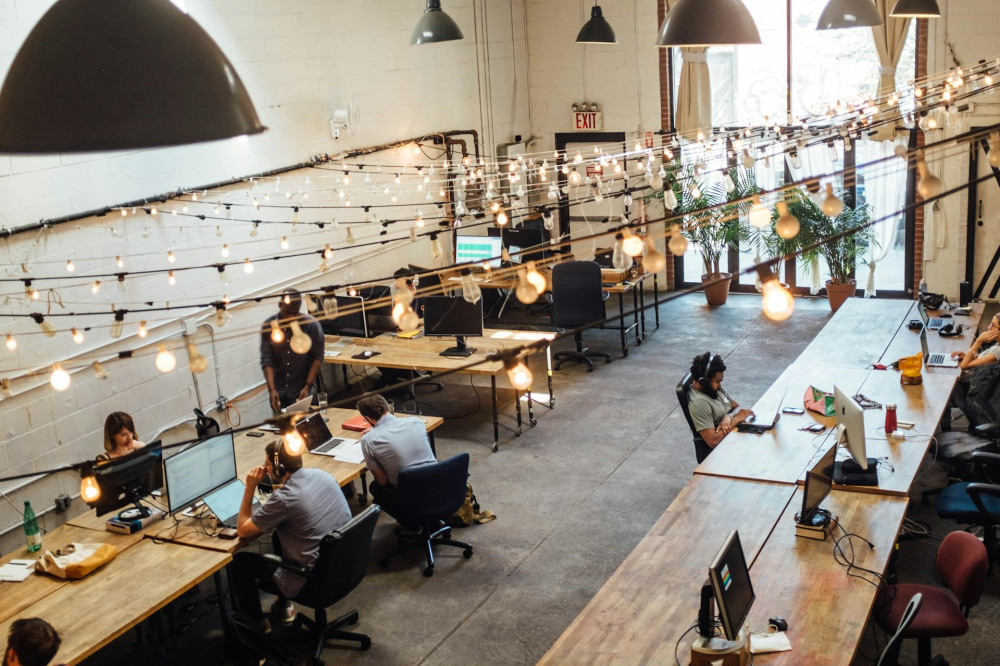
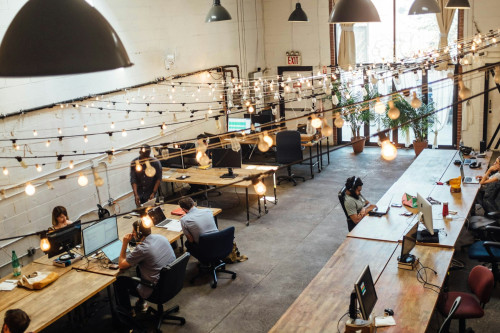
The physical design of the cafeteria plays a major role in how employees use and experience it. Long communal tables invite conversation and collaboration, while smaller nooks and café-style corners offer space for quiet reflection or one-on-one chats. Many modern workplaces are reimagining their cafeterias as flexible spaces that can serve as informal meeting areas, creative hubs, or even event venues outside of lunch hours.
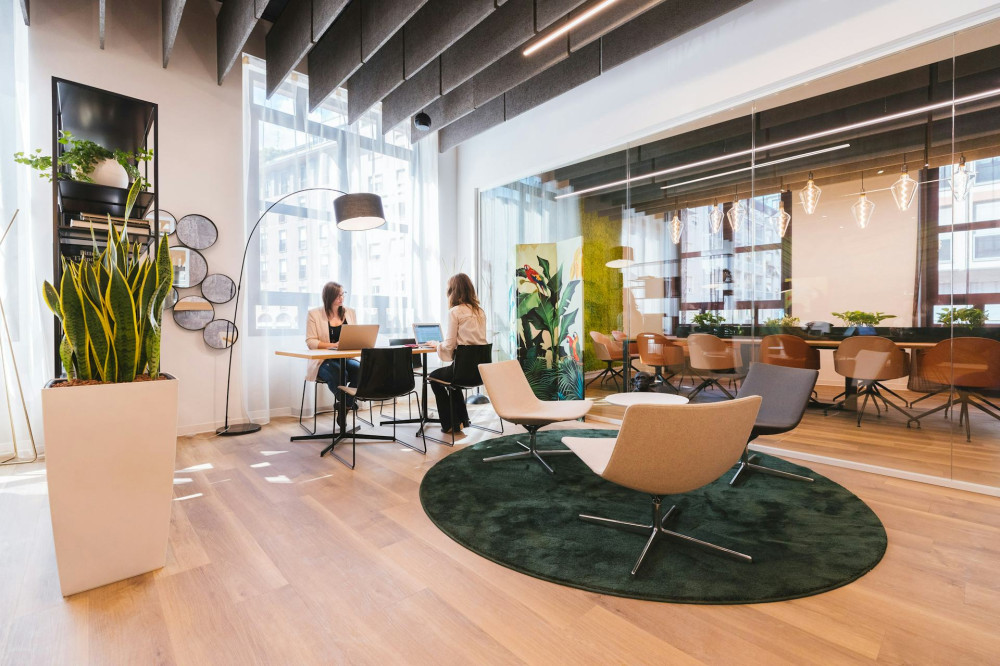
Materials and design choices also communicate values. Natural wood, greenery, and daylight create a warm, welcoming atmosphere that signals openness and well-being. Sleek lines, bold colors, and modern finishes can express innovation and forward thinking. The design becomes part of the company’s visual identity—a physical embodiment of its culture.
Atmosphere and Behavior – The Invisible Culture
Even the best food and design lose meaning if the atmosphere doesn’t feel right. The way people interact, how they use the space, and whether leaders join employees at the table all shape the cafeteria’s culture.
When executives eat alongside staff, it fosters a sense of equality and approachability. When there’s room for laughter, conversation, and genuine breaks, morale improves. The cafeteria can serve as a social barometer—a place where you can sense how the company’s culture is actually lived day to day.
Læs også:

From Lunch to Community
More companies are now using the cafeteria as an active tool for building culture. This might include themed lunches celebrating different cultures, cooking workshops, or seasonal food events that bring people together. These initiatives do more than diversify the menu—they create shared experiences and connections across departments.
When employees gather around food, relationships form that rarely emerge in formal meetings. These connections strengthen collaboration, creativity, and a sense of belonging—all essential ingredients for a healthy workplace culture.
The Cafeteria as a Strategic Resource
Viewing the cafeteria as a cultural carrier means seeing it as more than a service function. It’s a strategic resource that can support well-being, sustainability, and cohesion. A thoughtful cafeteria strategy can help attract and retain talent, enhance the company’s image, and make its values tangible—something employees can taste, see, and feel every day.
In short, the cafeteria is where a company’s values come to life. It tells the story of who you are—one lunch at a time.
Læs også: