Share the Plate: How the World Shares a Meal at the Table


Share the Plate: How the World Shares a Meal at the Table
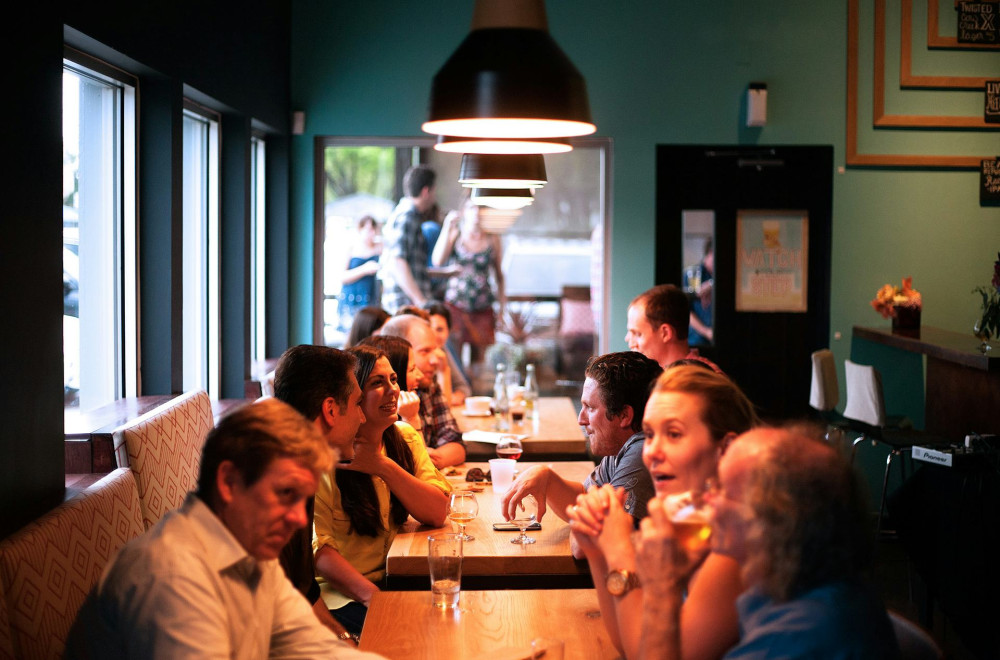
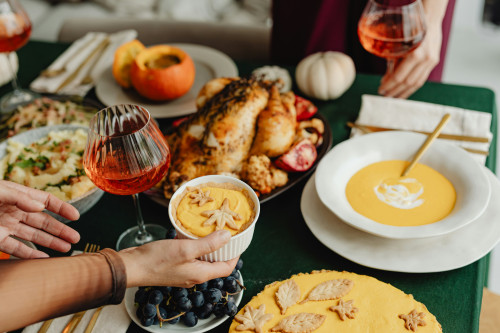
Sharing a meal is about more than food. It’s a social act, a gesture of generosity, and a way to connect across cultures and generations. Around the world, people have developed unique traditions for sharing what’s on the table—from communal platters in the Middle East to small shared dishes in Spain and Asia. No matter the form, the act of sharing turns eating into an experience of belonging.
The Communal Table of the Middle East
In many Middle Eastern countries, eating alone is rare. Meals are served on large platters placed in the center of the table, and everyone helps themselves. Dishes like hummus, falafel, tabbouleh, and grilled meats are shared freely, with bread serving as both utensil and symbol of unity. Sharing food is a sign of trust and respect—it says, “we are together.” Hospitality is central, and hosts take pride in offering more than enough so that no guest leaves hungry.
Læs også:

Tapas and Togetherness in Spain
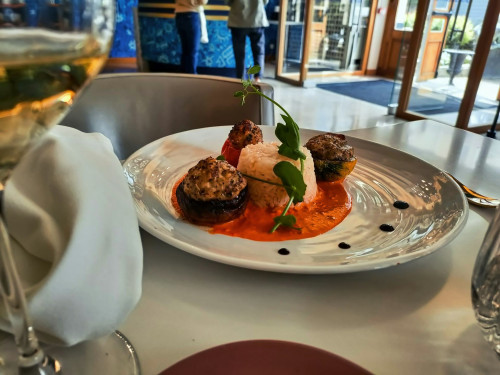
Spain has turned the art of sharing into a lifestyle. Tapas—small plates meant for everyone to taste—are as much about conversation as they are about food. Friends gather around the table, sampling olives, cheeses, seafood, and potatoes in spicy sauce, while laughter and stories flow as easily as the wine. It’s not about eating quickly, but about savoring the moment. Each dish is an invitation to linger a little longer and enjoy the company.
Asia’s Balance of Shared and Personal
Across much of Asia, sharing is built into the meal. In China and Japan, food is served in many small dishes placed in the middle of the table. Everyone takes a little at a time with chopsticks, making sure there’s enough for all. In Japan, there’s also a deep respect for personal space—each person eats from their own bowl, even as they share from the same platters. This balance between community and individuality reflects a cultural harmony that values both connection and courtesy.
Africa’s Shared Platters and Hands as Tools
In many African countries, such as Ethiopia and Ghana, meals are traditionally eaten from a shared platter. In Ethiopia, the spongy flatbread called injera serves as both plate and utensil. Diners tear off pieces to scoop up stews and vegetables, eating with their hands in a gesture that fosters closeness and equality. Eating with one’s hands is not a lack of manners—it’s a way to feel the food and the moment. It’s about being present, both with the meal and with one another.
Sharing, American Style
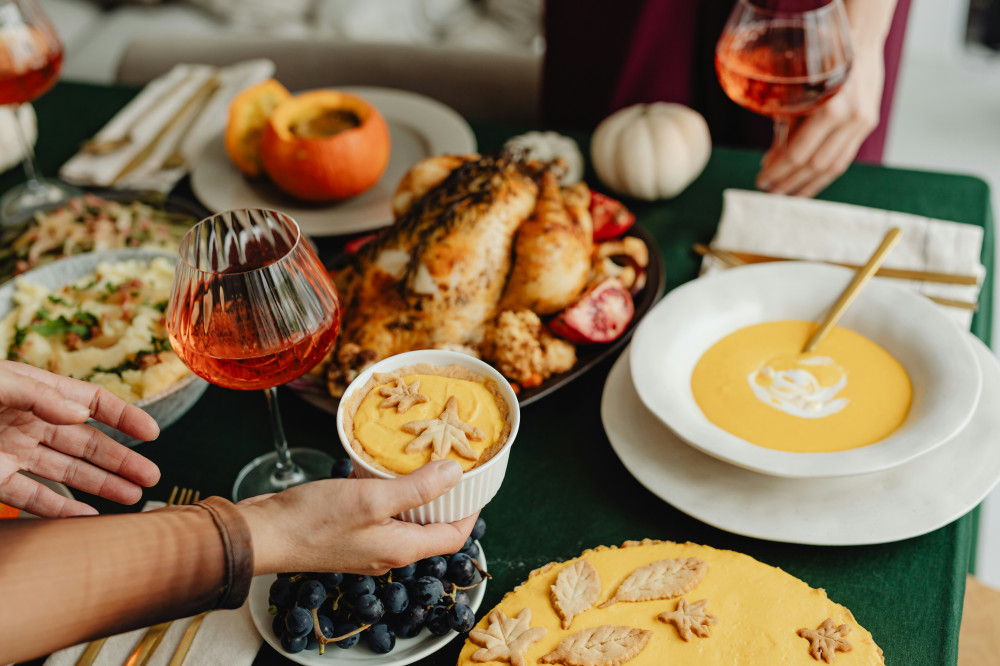
In the United States, the idea of sharing food has taken on new life. While individual plates once dominated, “family-style” dining and shared appetizers have become increasingly popular. From backyard barbecues to potluck dinners, Americans are rediscovering the joy of passing dishes around the table. Restaurants, too, have embraced the trend, offering shareable plates that encourage conversation and connection. It’s a modern twist on an ancient idea: food tastes better when it’s shared.
When Sharing Becomes an Experience
Sharing food changes the way we eat. It invites conversation, builds community, and reminds us that meals are about more than nourishment—they’re about people. Whether it’s a bowl of pasta, a platter of mezze, or a loaf of bread passed from hand to hand, sharing a meal connects us to one another. It’s a simple act that speaks a universal truth: when we share the plate, we share life itself.
Læs også: