Fresh or Risky? How to Spot Safe Takeout Food

Fresh or Risky? How to Spot Safe Takeout Food
Takeout has become a staple in many Americans’ busy lives. It’s convenient, fast, and often delicious—but how can you be sure the food that lands on your doorstep is safe to eat? Poor handling or storage can turn a tasty meal into a case of food poisoning. Here’s how to tell whether your takeout is fresh and safe—from ordering to delivery and storage.
Check restaurant ratings and health inspections
Before you order, take a moment to look up the restaurant’s health inspection grade. In most U.S. cities, local health departments post inspection results online or display them at the restaurant. A high grade (like an “A”) usually means the establishment meets hygiene and food safety standards. A lower grade or repeated violations should raise red flags.
You can also read customer reviews on apps like Yelp, DoorDash, or Google. Frequent complaints about food quality, delivery delays, or stomach issues are signs to steer clear.
Pay attention to temperature
Hot food should arrive hot and steaming, ideally above 140°F. If your burger, pasta, or stir-fry feels lukewarm, it may have been sitting out too long—giving bacteria a chance to grow.
Cold dishes, such as sushi, salads, or deli sandwiches, should be chilled below 40°F. If the fish feels warm or the salad looks wilted, it’s best not to take the risk.
A quick test: touch the container when your order arrives. Is it still warm or cool as expected? If not, contact the restaurant or delivery service to report the issue.
Inspect packaging and delivery conditions
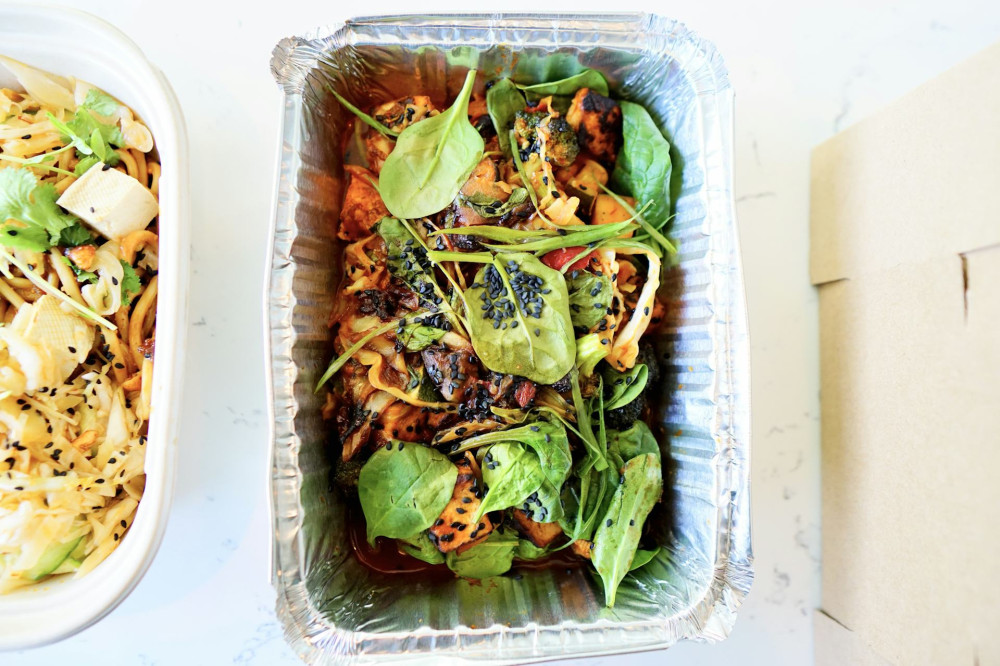
Safe takeout isn’t just about the food—it’s also about how it’s packaged and transported. Containers should be sealed, clean, and free of leaks. If the bag is damp, the lid is loose, or the packaging looks tampered with, don’t eat the food.
Delivery time matters too. If your driver took a long detour or the app shows a long delay, the food may have spent too much time in the “danger zone” between 40°F and 140°F. Many delivery apps now show real-time tracking—use it to gauge whether your meal is still safe when it arrives.
Trust your senses—they rarely lie
When you open your takeout, use your sight, smell, and taste to judge freshness. Safe food should look and smell appetizing. Be cautious if you notice:
- A sour or rancid odor
- Discoloration of meat, fish, or vegetables
- A slimy texture on rice, salad, or protein
If something seems off, don’t take a bite. Throw it away and let the restaurant know. Foodborne illness can cause nausea, vomiting, diarrhea, and fever—and it’s never worth the risk.
Store and reheat leftovers safely
If you’re saving leftovers, refrigerate them within two hours of delivery (or within one hour if it’s over 90°F outside). Eat them within three to four days, and reheat thoroughly to at least 165°F before eating.
Avoid reheating rice or chicken more than once, as repeated warming can encourage bacterial growth. Even if food looks fine, it can still harbor harmful bacteria if it’s been left out too long.
Choose quality and responsibility
Many restaurants now emphasize food safety and sustainability—using insulated delivery bags, eco-friendly packaging, and locally sourced ingredients. Supporting these businesses helps ensure you’re getting food that’s handled with care.
If you want extra peace of mind, consider picking up your order yourself. That way, you control how long the food sits before you eat it.
Læs også:
A little caution goes a long way
Takeout should be a treat, not a gamble. By checking inspection grades, monitoring temperature, inspecting packaging, and trusting your senses, you can avoid most food safety pitfalls. When in doubt, remember: if it doesn’t look, smell, or feel right, it probably isn’t.
With a bit of awareness, you can enjoy your favorite takeout meals safely—and keep your stomach happy, too.
Læs også: