Colors and Shapes That Tempt: How to Make Your Snacks More Appealing

Colors and Shapes That Tempt: How to Make Your Snacks More Appealing
We eat with our eyes first—and that’s especially true when it comes to snacks. Whether you’re setting out veggie sticks, mini sliders, or sweet bites, color, shape, and presentation can make the difference between “meh” and “wow.” With a few simple tricks, you can turn even the most ordinary snacks into little works of art that spark appetite and conversation.
Colors That Spark Appetite
Color influences how we feel about food. A plate full of vibrant hues signals freshness and variety, while a monotone spread can look dull. Think in contrasts and natural tones when planning your snack table.
- Green adds freshness—try cucumber, snap peas, basil, or green grapes.
- Red and orange bring energy—use cherry tomatoes, bell peppers, carrots, or watermelon cubes.
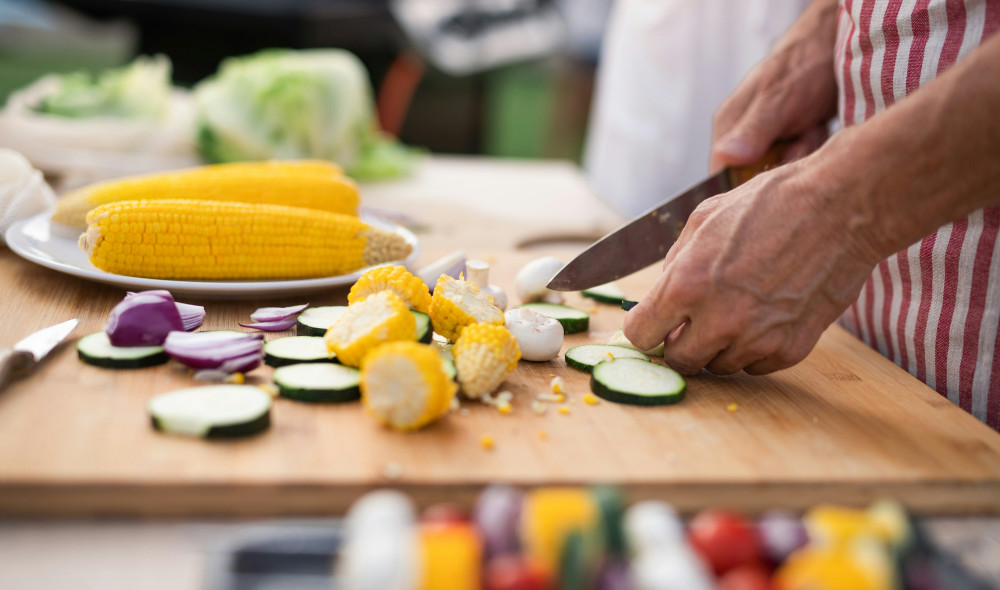
- Yellow adds warmth and cheer—corn, pineapple, or cubes of cheddar brighten any platter.
- White and beige create balance—nuts, crackers, or small bread pieces make great neutral elements.
A good rule of thumb is to combine three to five colors on each tray. It keeps things lively but still harmonious.
Play With Shapes and Textures
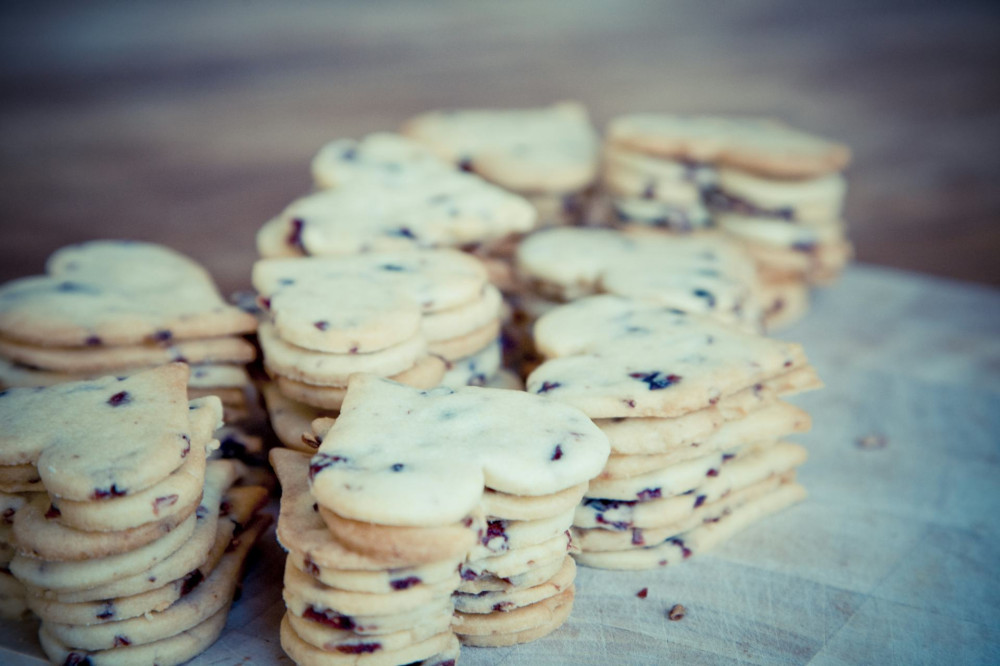
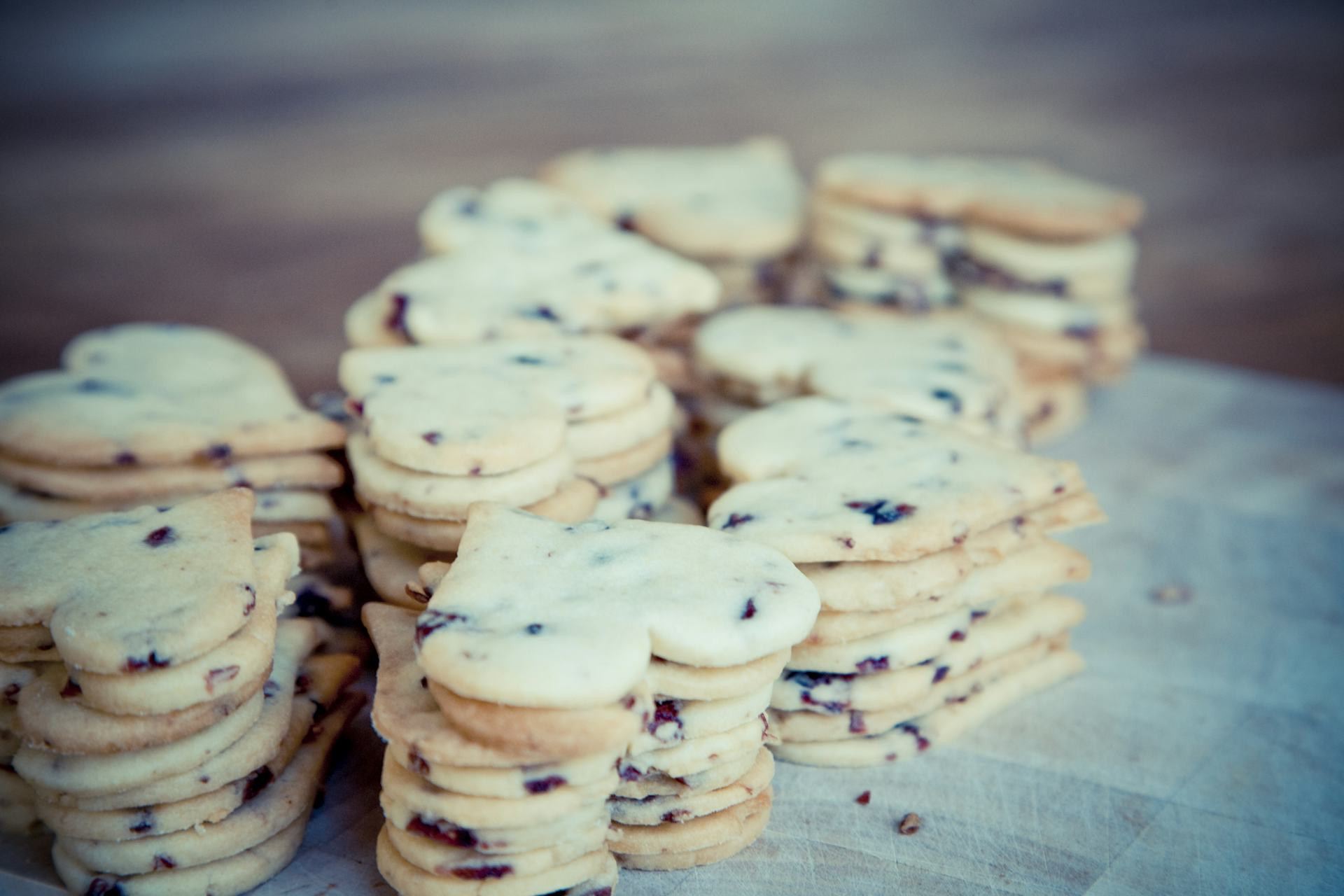
Variety in shape and texture makes snacks more fun to look at—and to eat. Cut veggies into sticks, slices, or cubes, and use small cookie cutters to make playful shapes from fruit or cheese. Round items like grapes, olives, or melon balls contrast nicely with more angular pieces.
Texture matters too: crisp, soft, and creamy should meet on the same plate. A crunchy cracker with a smooth dip and a fresh veggie element gives both visual and sensory variety.
Læs også:
Arrange With an Eye for Balance
Even the prettiest ingredients can lose their appeal if they’re presented haphazardly. Choose a platter or bowl that fits the amount of food—too large and it looks sparse, too small and it feels crowded.
Group snacks instead of mixing everything together. Repeat colors and shapes across the platter so the eye naturally moves around. Use small bowls for dips or nuts to add structure and height.
A sprinkle of fresh herbs or a few edible flowers can give your display that final touch—especially if you’re hosting guests.
Use What’s in Season
Seasonal produce doesn’t just taste better—it also looks more vibrant. In summer, go for berries, peaches, and fresh peas; in fall, try pumpkin, beets, and apples. Following the seasons automatically brings variety in both color and shape, making your snacks feel more natural and alive.
Keep It Easy to Eat
Presentation isn’t just about looks—it’s also about function. Snacks should be easy to grab and enjoy without utensils. Use toothpicks, mini forks, or serving spoons so guests don’t have to touch the food directly. It’s more elegant—and more hygienic.
If you’re serving several types of snacks, give each its own little space. It makes choosing easier and keeps the overall look neat and inviting.
Small Details, Big Impact
It’s often the little touches that make the biggest difference. A sprinkle of sesame seeds on veggie sticks, a drizzle of olive oil on hummus, or a piece of colorful parchment under cookies can elevate the whole presentation. Think of snacks as tiny stories—each bite should spark curiosity and make you want another.
Set the Mood With Color and Light
Even the best arrangement deserves the right setting. Use neutral-colored platters so the food stands out, and make sure the lighting is warm and flattering. Soft, golden light enhances colors and makes snacks look more appetizing. If you’re entertaining, coordinate napkins and table décor with the food for a cohesive look.
A Feast for the Eyes and the Taste Buds
Making snacks look appealing isn’t about spending hours in the kitchen—it’s about thinking in terms of color, shape, balance, and atmosphere. When you combine visual appeal with good ingredients and simple preparation, you get snacks that don’t just taste great—they look like they do.
Læs også: