Check the Fridge First! Simple Habits to Cut Down on Everyday Food Waste

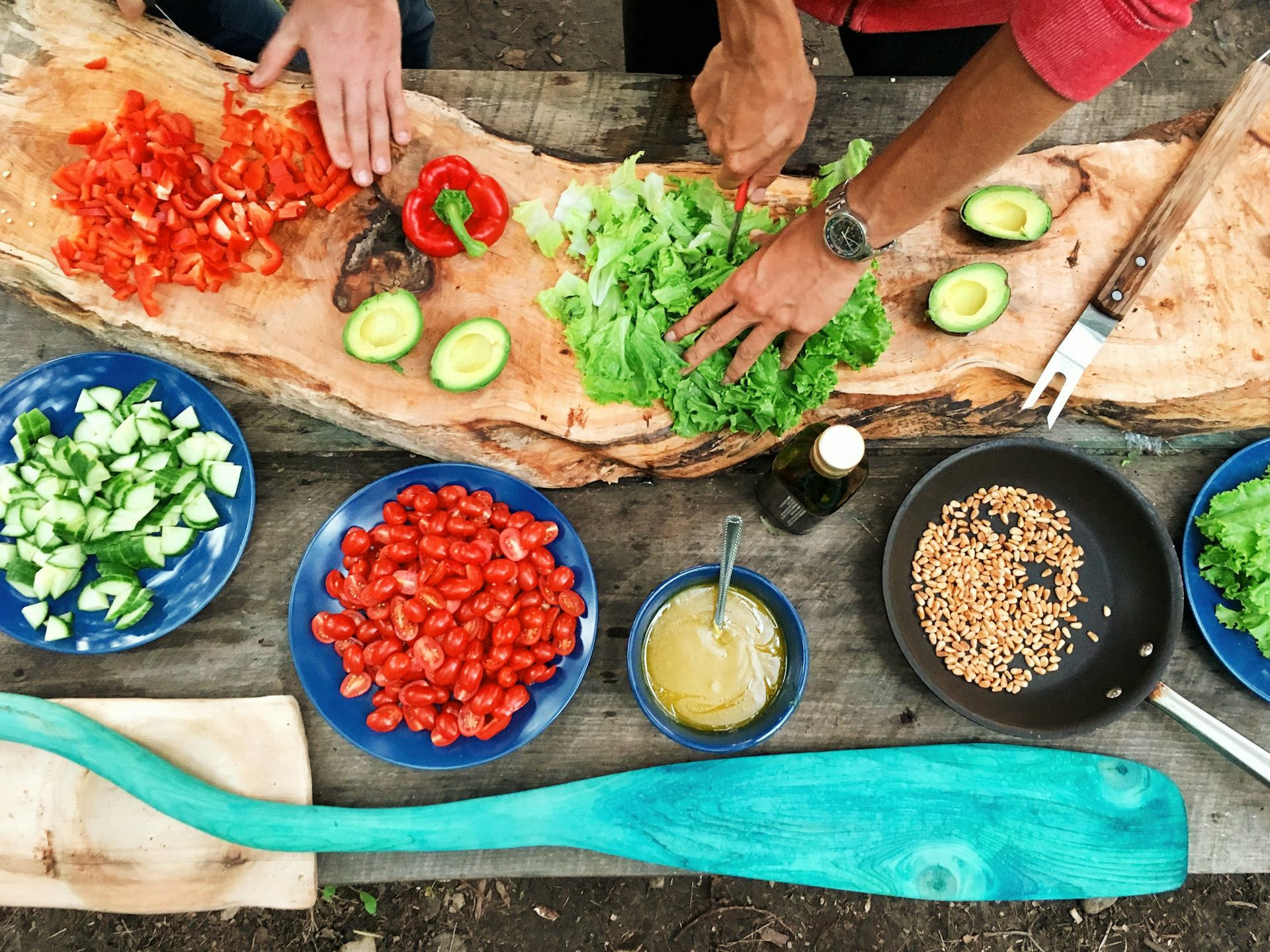
Check the Fridge First! Simple Habits to Cut Down on Everyday Food Waste
Every year, the average American household throws away hundreds of pounds of food—much of it perfectly edible. That’s money straight into the trash and a big contributor to greenhouse gas emissions. The good news? Reducing food waste doesn’t require a total lifestyle overhaul. With a few simple habits, you can save money, eat better, and help the planet at the same time.
Start by Checking What You Already Have
Before heading to the grocery store, take a quick look in your fridge, freezer, and pantry. You might be surprised by what’s hiding in the back. Many people buy duplicates of items they already own, only to toss the older ones later. Snap a photo of your fridge shelves before you shop—it’s an easy way to remember what’s at home.
A quick inventory can spark meal ideas and prevent unnecessary purchases. That half bag of spinach or leftover chicken might be the start of tonight’s dinner.
Plan Meals—But Keep It Flexible
Meal planning is one of the most effective ways to cut down on waste. When you know what you’ll cook, you buy only what you need. But life happens—plans change, and takeout nights sneak in. Build flexibility into your plan by leaving one or two “free” nights for leftovers or simple meals.
Choose ingredients that can work in multiple dishes. For example, a carton of eggs can become breakfast scrambles, sandwiches, or fried rice. The more versatile your ingredients, the less likely they’ll go to waste.
Store Food the Right Way
Proper storage can dramatically extend the life of your groceries. Keep your fridge at or below 40°F (about 4°C) and your freezer at 0°F (-18°C). Store raw meat and fish on the bottom shelf to prevent drips, and use airtight containers for leftovers to keep them fresh longer.
Fruits and vegetables have their own preferences—apples and citrus do well in the fridge, while tomatoes and bananas prefer the counter. A little attention to storage can make your produce last days, even weeks, longer.
Understand Date Labels
“Sell by,” “use by,” and “best if used by” labels can be confusing. In most cases, these dates refer to quality, not safety. Food past its “best if used by” date is often still perfectly fine to eat. Trust your senses—look, smell, and taste before tossing.
Dry goods like rice, pasta, and canned foods can last long after their printed dates if stored properly. When in doubt, check the USDA’s FoodKeeper app for guidance on how long different foods stay safe and fresh.
Give Leftovers a Second Life
Leftovers don’t have to be boring. Turn last night’s roasted vegetables into a hearty soup, or use extra rice for a quick stir-fry. Designate one night a week as “leftover night” to clean out the fridge and get creative.
If you often end up with extra portions, freeze them in single servings. They’ll come in handy on busy days when cooking from scratch isn’t an option.
Use Your Freezer Wisely
Your freezer can be your best ally against food waste—if you keep it organized. Label containers with the contents and date, and rotate older items to the front so they get used first. Freeze bread in slices, chop and freeze herbs in olive oil, and save overripe fruit for smoothies.
Just remember: freezing pauses freshness, it doesn’t improve it. Freeze food while it’s still in good shape for the best results.
Læs også:


Share and Donate
If you’ve bought more than you can use, share with friends, neighbors, or local food pantries. Many communities have food-sharing programs or apps that connect people with surplus food to those who can use it. It’s a simple way to reduce waste and strengthen community ties.
Small Steps, Big Impact
Cutting down on food waste isn’t about perfection—it’s about awareness. Each time you use what you have, plan a meal around leftovers, or store food properly, you’re making a difference. You’ll save money, reduce your environmental footprint, and appreciate your food a little more.
So next time you’re about to head to the store, pause for a moment and ask yourself: what’s already in my fridge? Chances are, dinner’s waiting right there.
Læs også: